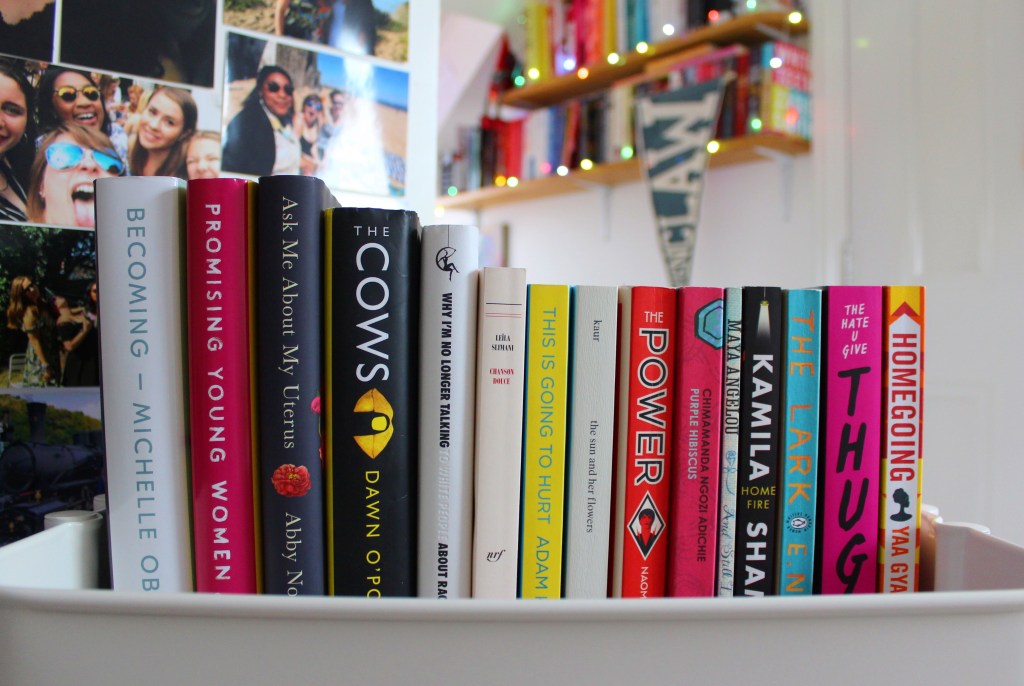
Happy almost-Christmas-and-New-Year! It’s been a busy few months and blogging took a back seat while I got my teeth into the first semester of my masters but I wanted to take the time to reflect and chat about what I’ve read this year. My goal was to read 65 books including 12 in French and I actually did it! I hit 65 in September, and 12 French books in November. There’s still a few weeks left in December but I’ve been reading much slower since I started studying again so I’m currently on my 80th book of the year (and have been for a while). But 80 is ridiculous and points to the fact that I had a lot of down-time earlier this year. Still, I’m chuffed with it because, for the most part, it’s been really good, proper reading.
Halfway through 2018 I wrote about my favourite books of the year so far and I’m sure there might be a few crossovers, but otherwise here are my favourite reads of 2018!
Non-Fiction
About 30% of my reading this year has been non-fiction. The latter end of the year has included a lot of textbooks but the first half saw lots of biographies and slightly more entertaining non-fiction books. Biography highlights include Juno Dawson’s The Gender Games and Lily Allen’s My Thoughts Exactly. I’ve since written an essay about the latter that wasn’t nearly as complimentary as my review on the blog… academia’s getting to me!
I read Hillary Clinton’s book What Happened at the beginning of the year and recently finished Michelle Obama’s Becoming – it feels natural to pair them together, not just because they’re two former first ladies but because both hardback books are obnoxiously large. I enjoyed Clinton’s book, but given it’s about the 2016 U.S. election, it was pretty depressing, whereas Obama’s was a lot more interesting, hopeful and joyful (for the most part, it still ends with the 2016 election…)
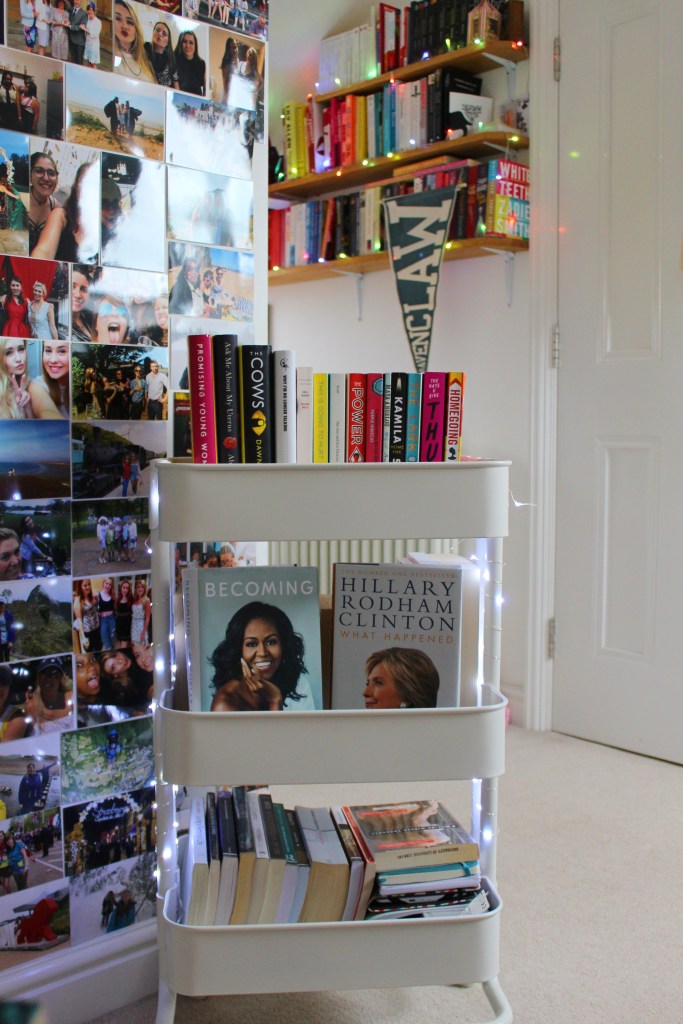
The funniest non-fiction book I read this year would have to be Adam Kay’s This is Going to Hurt. As you know I’m no stranger to the NHS and it’s great to see it being celebrated and ridiculed simultaneously, I hope it makes people realise how much trouble the NHS is in but also how important it is that we save it. #SaveOurNHS
Ask Me About My Uterus by Abby Norman is a powerful book that I continue to think about, but I’d say the non-fiction book that’s had the biggest impact on me this year is the first one I read, Reni Eddo-Lodge’s Why I’m No Longer Talking to White People About Race. If you’re interested in Black British history and what it means to be an intersectional feminist (which you should be), give this brilliant book a read.
*New* Fiction
I had a steady income for the first half of the year and so I pushed myself to read new, shiny, contemporary novels while I could afford to buy them. On reflection, I realise that all the contemporary fiction I read this year was written by women… oops #sorrynotsorry. Over the year, I’ve recommended some of these books to friends and family, some of whom have been fundamentally challenged by them – but that, to me, is the sign of great writing.
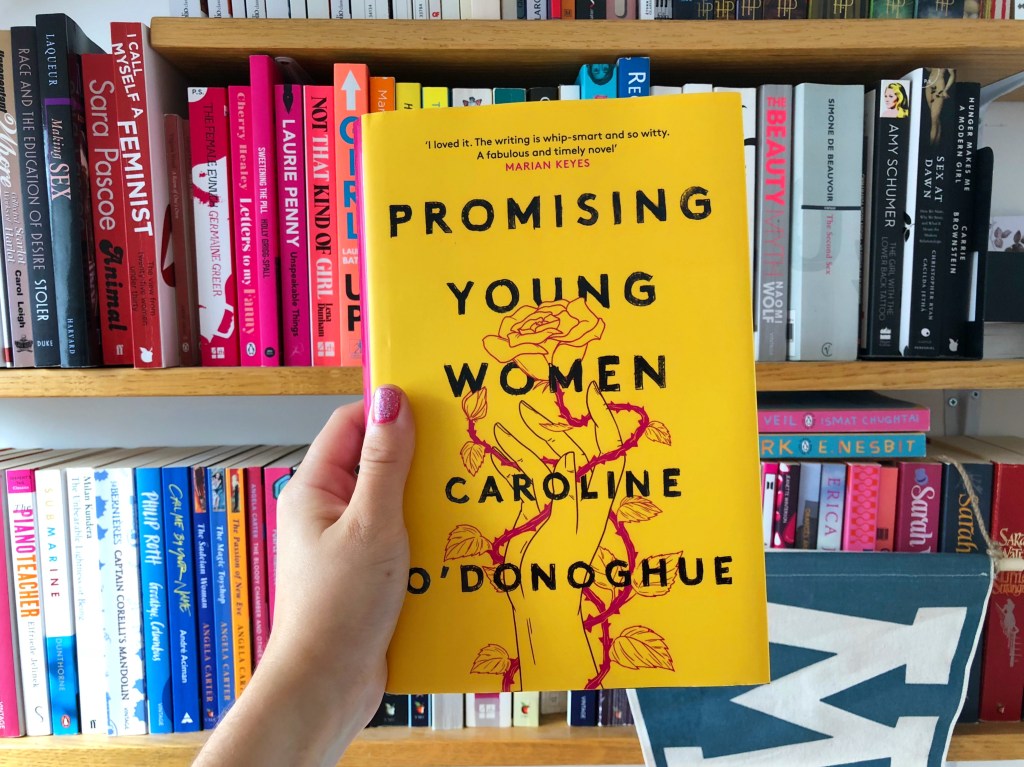
I’m still obsessed with Dawn O’Porter’s The Cows but I’ve definitely written about it more than enough on the blog. Ditto with Caroline O’Donoghue’s Promising Young Women – you can read reviews of both here.
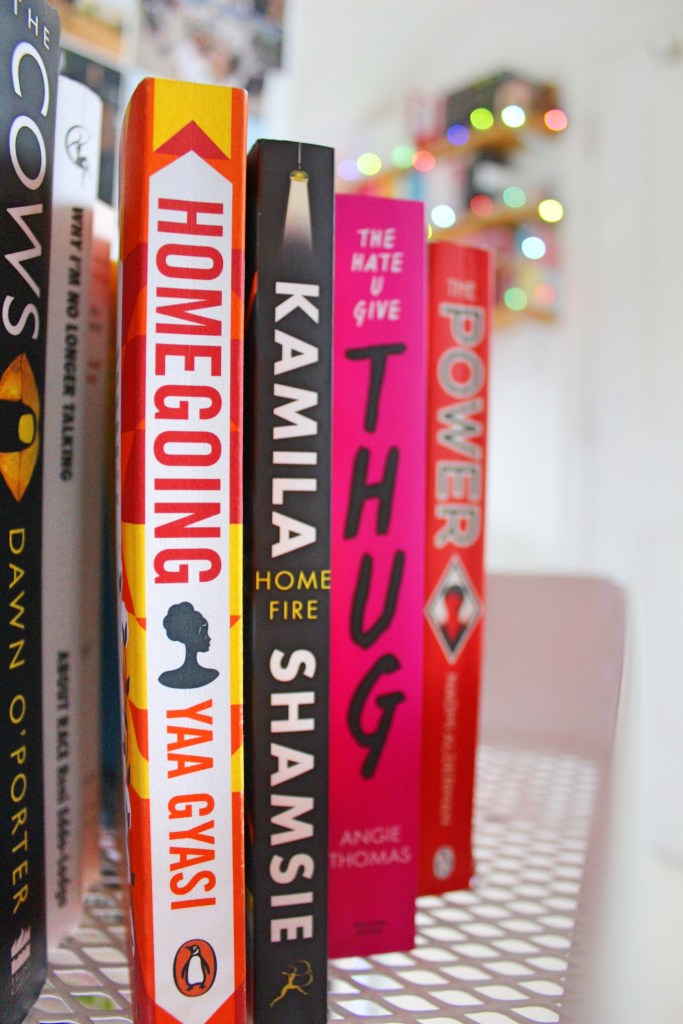 I absolutely loved The Power by Naomi Alderman and The Hate U Give by Angie Thomas but I think, only slightly, Homegoing by Yaa Gyasi and Home Fire by Kamila Shamsie have a slight edge for me. Actually, I take that back – these are four astonishing books that deal with incredibly complicated, ever-present issues in thought-provoking, daring and often beautiful ways. My life is richer for having read them and I highly recommend you read them too.
Fiction
This year I read Philip Pullman’s His Dark Materials trilogy for the first time. I can’t say I totally get the hype, mostly because for some reason I just didn’t like Lyra’s character, which I’ve learnt is an unpopular opinion… but I enjoyed them nonetheless, particularly all the theological musings.
From Penguin’s Women’s Writers editions released earlier this year, my favourite was E. Nesbitt’s The Lark, which was a really fun, uncomplicated read. But my favourite novel that I read this year is Chimamanda Ngozi Adichie’s Purple Hibiscus. The depth of Adichie’s writing always blows me away – her ability to create such whole, lifelike and complex characters without writing books the length of War and Peace is mindboggling (and a skill I hope I can learn myself).
Français
I’ll resist the temptation to repeat what I did last year and say that my favourite French reads have been Harry Potter, even though reading the series in French was one of the best reading endeavours I’ve ever embarked on, let alone finished this year. Instead, there’s another obvious choice: Chanson Douce (Lullaby) by Leïla Slimani. It’s such a thrilling read, which I’ve discussed before, that paints a really uncanny picture of France today – I can’t wait to read it again in English.
Special shout out to a bit of French ‘chick-lit’ that I read during my trip around France this summer. Le parfum du bonheur est plus fort sous la pluie by Virginie Grimaldi was the perfect match for my French reading level. I kind of hated the plot and characters at the beginning but it really surprised me and went down a much darker route than I expected, dealing with miscarriage and divorce in refreshing ways.
Poetry
I finally got into poetry this year, thanks to two brilliant women: Maya Angelou and Rupi Kaur. I’ve always really struggled with poetry but this year I realised that the poetry I studied at school and university was only the tip of the iceberg and that there’s so much out there that is much more to my taste. I read Kaur’s The Sun and Her Flowers and Angelou’s incredibly well-known collection And Still I rise. If, like I did, you think poetry isn’t for you, give these two a read if you haven’t already.

Book Buying Update!
The final thing to say is that I met another one of my reading resolutions: I haven’t bought a single book from Amazon or Waterstones this year. It’s got me out of the house and into some really cool bookshops across London, exploring book stalls on holiday in Montpellier and Lyon and enjoying better, more ethical service from other online booksellers like Wordery.com. I have an affiliate link with Wordery, so if you’re buying books this Christmas please consider using my link as it will help me and the blog out big time. Thank you!
 fictitiouslyhilary.com